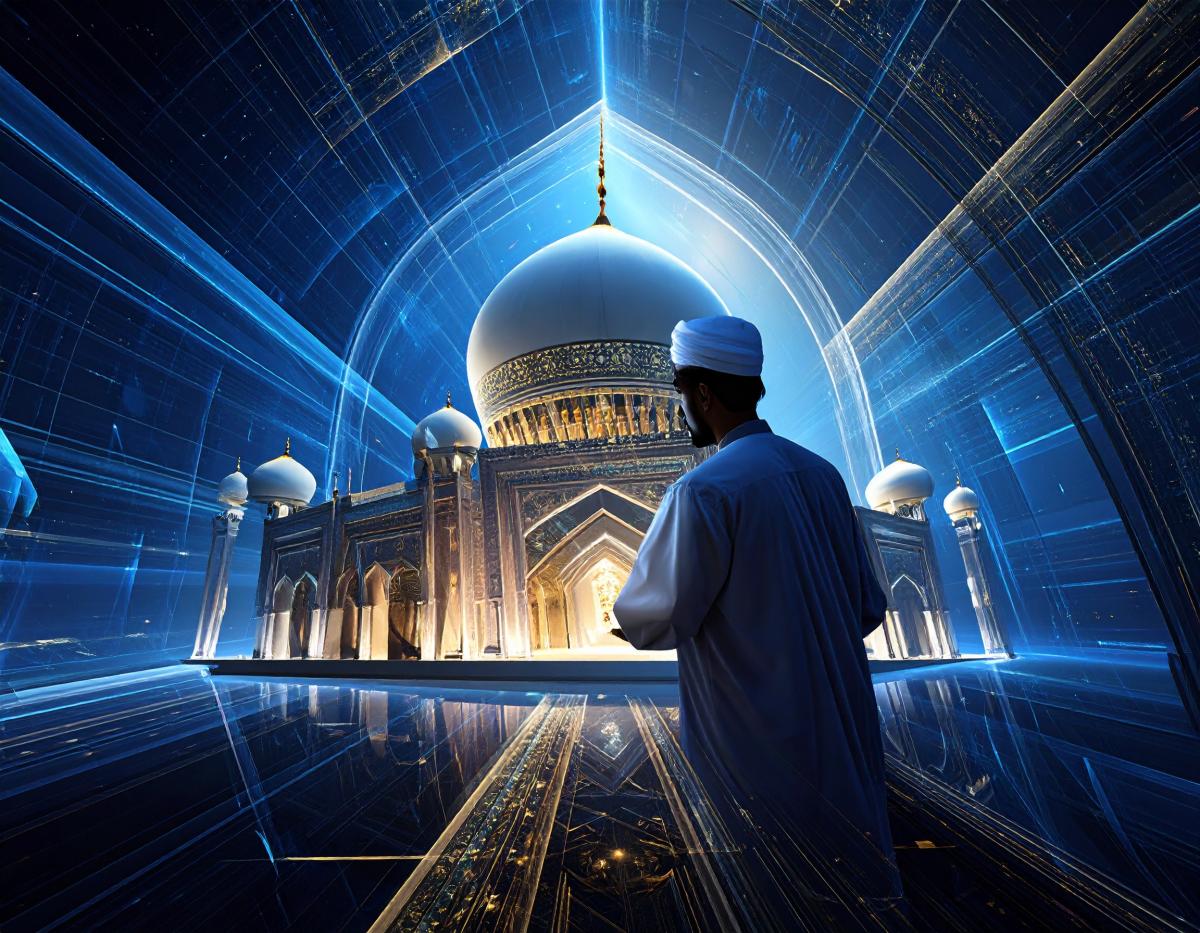
Islam, one of the world’s great monotheistic faiths, has more than a billion adherents on every continent. Among these branches is Shia Islam, the second-largest branch, a storied tradition. Here is an introduction that covers its origins, theology, rituals, and modern context.
Historical Origins of Shia Islam
Shia Islam originated in the nascent years of Islam, after the death of the Prophet Muhammad in 632 CE. Who should lead after the Prophet’s passing became a dividing issue among Muslims. Most selected Abu Bakr, one of Muhammad’s closest companions, as the first caliph (leader), but a sizable minority thought that leadership should stay within the Prophet’s family—namely, with Ali ibn Abi Talib, Muhammad’s cousin and son-in-law.
This faction came to be called “Shiat Ali,” or the “Party of Ali”—thus, the term “Shia.” They claimed that Ali had been appointed by the Prophet, both intrinsically and through direct statements, as his successor. The dispute over succession spawned Islam’s primary split, Sunni and Shia.
Ali did become, thereafter, the fourth caliph but was assassinated in 661 CE. His sons, Hasan and Husayn, closed his lineage, but strife raged on. Husayn’s martyrdom in 680 CE at the Battle of Karbala — where he and his companions were slaughtered by the army of Umayyad caliph Yazid I — became a central event in Shia identity, representing the fight against tyranny and the persecution of the virtuous.
Beliefs and Theological Foundations
Shia Islam holds to much of the same creed as Sunni Islam — belief in Allah, Muhammad, the Qur’an, and resurrection. But there are a few significant theological differences in Shia Islam.
The Concept of Imamate
The key to Shia thought is the concept of the Imamate. Shia Muslims believe that, following the Prophet, both spiritual and worldly authority belong to a succession of divinely appointed leaders known as Imams. Unlike political caliphs, Shia Imams are regarded as sinless and divinely inspired in their understanding of the religion.
For Twelver Shia, the largest Shia sect, there are 12 such Imams, starting with Ali and ending with Muhammad al-Mahdi, whom they believe has gone into concealment and will return as the Mahdi (the guided one) to bring justice to the world. Other Shia sects, including the Ismailis and Zaidis, have distinct lines of Imams and varying numbers of Imams.
Authority and Leadership
Without an Imam in sight (such as the Twelfth Imam), Shia clerical authority lies in learned mujtahids and maraji‘, who lead the community on religious issues. The clergy system of religious authority in Shia Islam is therefore more hierarchical and centralized than in Sunni Islam.
Martyrdom and Suffering
Karbala has given Shia Islam a sacred tradition of martyrdom and being willing to suffer for the cause of justice and righteousness. Husayn’s sacrifice is remembered every year during Muharram, and especially on Ashura, with rituals, processions, and commemorations.
Shia Sects and Communities
The label “Shia” encompasses a variety of factions, each with its own history and distinct understanding of Islamic leadership.
Twelver Shia (Ithna Ashariyya): The largest group, predominant in Iran, Iraq, Bahrain, and Azerbaijan. They acknowledge 12 Imams and believe in the reappearance of the Mahdi.
Ismaili Shia: They accept a succession of Imams from Isma‘il, the seventh Imam. The largest group nowadays is the one headed by the Aga Khan, which is present in South Asia, Central Asia, and East Africa.
Zaidi Shia: Yemen-based, they follow Zaid ibn Ali as their fifth Imam and share doctrinal similarities with Sunnism in some respects.
Religious Practices and Rituals
Shia Muslims follow the same five pillars of Islam as Sunnis—declaration of faith, prayer, fasting, almsgiving, and pilgrimage. But there are a few differences and extras in ritual and practice:
Prayer: Shia Muslims pray five times a day, but often combine specific prayers, resulting in three distinct prayer times in congregational settings.
Commemoration of Ashura: The tenth of Muharram is a day of mourning for Husayn and his companions. Rituals might involve elegy recitations, dramatic reenactments (ta‘ziya), and in some cases acts of self-flagellation or symbolic mourning.
Pilgrimage to Shrines: Other than the Hajj pilgrimage to Mecca, Shia Muslims may also make pilgrimage (ziyarat) to the shrines of the Imams and other revered figures, such as in Najaf and Karbala in Iraq, and Mashhad in Iran.
Distinct Religious Law: Although the sources of law are alike, Shia fiqh differs in specific rulings from Sunni schools, reflecting the guidance of the Imams and their interpreters.
Shi’ism in the Modern Age
Today, Shia Islam constitutes around 10-20% of the world’s Muslim population. The most significant populations are in Iran, a Shia Islamic republic officially, followed by Iraq, Azerbaijan, Bahrain, and heavy concentrations in Lebanon, Yemen, Pakistan, India, and Afghanistan.
Shia Islam has had a significant impact on world history and politics, from the Safavid dynasty making Shia Islam the state religion of Iran (16th century) to the 1979 Islamic Revolution in Iran, which profoundly influenced regional and global geopolitics. In Lebanon, the Hezbollah movement is a prominent Shia political and military organization.
The Shia have also endured their share of persecution and discrimination, at times by Sunnis, during colonialism and throughout the era of nation-states. Nonetheless, Shia theology, scholarship, poetry, and spirituality have contributed significantly to the development of Islamic civilization.
Cultural Contributions and Spirituality
Shia is also famous for its devotional poetry, especially that which celebrates the martyrdom at Karbala and the excellence of the Imams. Sufi mysticism has also engaged with the Shia faith, giving rise to distinct varieties of spirituality. Shia art and architecture are evident in the imposing shrines of Najaf, Karbala, Qom, and Mashhad.
It values justice, standing with the oppressed, and steadfastness towards what is right, especially the Prophet’s family. That love for the Imams is frequently manifested in devotion, prayer, and congregating.
Common Misconceptions and Interfaith Relations
For much of the non-Muslim world, Sunni and Shia Islam are easily conflated. Even though history is marked by tension and strife, there are also centuries of peace, intellectual collaboration, and liturgical harmony. Shia and Sunni Muslims pray toward the same Kaaba, read the same Qur’an, and hold the same essential beliefs.
Ignorance breeds myths about Shia rituals, whether it’s the remembrance of Ashura or reverence for Imams. These habits embody a profound commitment to the ideals of justice, sacrifice, and spiritual leadership.
Conclusion
Shia Islam, with its rich legacy of belief, fortitude, and piety, represents an integral thread in the fabric of the Muslim world. You’ll come away with a greater appreciation not just for Islam, but for the variety and richness of the world’s religions. For the uninitiated, Shia Islam— when greeted with openness and curiosity— unveils a religion fueled by fervor and conviction, founded on the timeless narrative of ‘the Prophet’s household’ and their commitment to righteousness and esoteric truth.
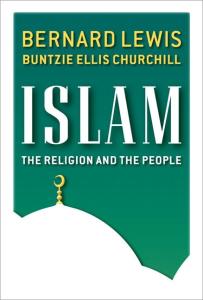
Islam: The Religion and the People
by Bernard Lewis and Buntzie Churchill
Product information
Product Review Score
4.9 out of 5 stars
104 reviews