To understand Sunni Islam is to explore the faith, rituals, and culture of the world’s largest sect. Sunni Islam is not just a sect – it’s a sprawling tapestry that spans continents, epochs, and civilizations. To a non-Muslim or even to someone unfamiliar with Islam’s internal diversity, the term “Sunni” might sound nebulous. Still, it resonates in the experience of hundreds of millions. Here, we aim to shed light on the foundation, core tenets, evolution, and global presence of Sunni Islam.
The Foundations of Islam
Islam, which originated in the 7th century CE on the Arabian Peninsula, is one of the world’s three great monotheistic religions. Its followers, known as Muslims, are monotheistic – believing in God (Allah, in Arabic) – and consider Muhammad the last Prophet in a line that includes Abraham, Moses, and Jesus. The word ‘Islam’ itself means ‘submission’.
At the heart of Islam are the five pillars, which comprise specific acts of worship and devotion. These are:
- The declaration of faith (Shahada): Bearing witness that there is no god but Allah, and Muhammad is His messenger.
- Prayer (Salat): Performing ritual prayers five times a day.
- Almsgiving (Zakat): Donating to charity and supporting the needy.
- Fasting during Ramadan (Sawm): Abstaining from food and drink from dawn to sunset during the holy month.
- Pilgrimage (Hajj): Making a journey to Mecca, if one is able, at least once in a lifetime.
And all Muslims, sect aside, swear by these pillars. However, how Islam is interpreted and practiced is not uniform, resulting in different branches within the religion. Of these, Sunni Islam is the largest and most widespread.
Origins of Sunni Islam
The split between Sunni and other sects, mainly Shia, dates to the years after the death of Muhammad in 632 CE. This ultimately boiled down to a question of leadership—who should lead the Muslim community after the Prophet’s death?
Sunni Islam holds that Muhammad never selected a successor, and that the ummah therefore elected the new leader, the caliph (khalifa). These were the first four caliphs, known as the “Rightly Guided Caliphs” (Rashidun), because they were elected by shura and consensus. Sunnis consider this era the golden age of Islamic rule — an era of justice, unity, and growth.
Shias, by contrast, believe that Muhammad designated his cousin and son-in-law Ali as his successor. This split over succession led to the formation of two separate sects, each with its own spiritual leadership, prayers, and traditions.
The Meaning of “Sunni”
The word “Sunni” comes from “Ahl al-Sunna wa’l-Jama‘ah,” which translates as “the people of the tradition and the community.” The Sunnah are the practices, sayings, and approvals of the Prophet Muhammad as recorded in hadiths (biographical reports). Sunnis point out that it’s important to follow both the Quran (Islam’s holy book) and the Sunnah as a way of life.
Core Beliefs and Practices
Beliefs
Central to Sunni theology is the belief in the oneness of God (tawhid), the prophethood of Muhammad, the finality of the Quran as the ultimate revelation, and the Day of Judgment, when all souls will be held accountable for their deeds.
Sunnis also accept the legitimacy of the four great schools of Islamic jurisprudence (fiqh): Hanafi, Maliki, Shafi‘i, and Hanbali. All provide interpretive skeletons for Islamic law, prayer, diet, morality, and social obligations. Although these schools vary in certain particulars, Sunnis broadly regard their diversity as a reservoir of pragmatism, rather than a source of schism.
Religious Leadership
Sunni Islam is decentralized. There is not one religious leader or hierarchy. Instead, religious authority rests with scholars (ulema), local imams who lead prayers, and religious jurists who issue rulings (fatwas) on matters of ethics and law. This enables Sunni Islam to fit diverse cultures and contexts while still retaining a common core of beliefs.
Worship and Rituals
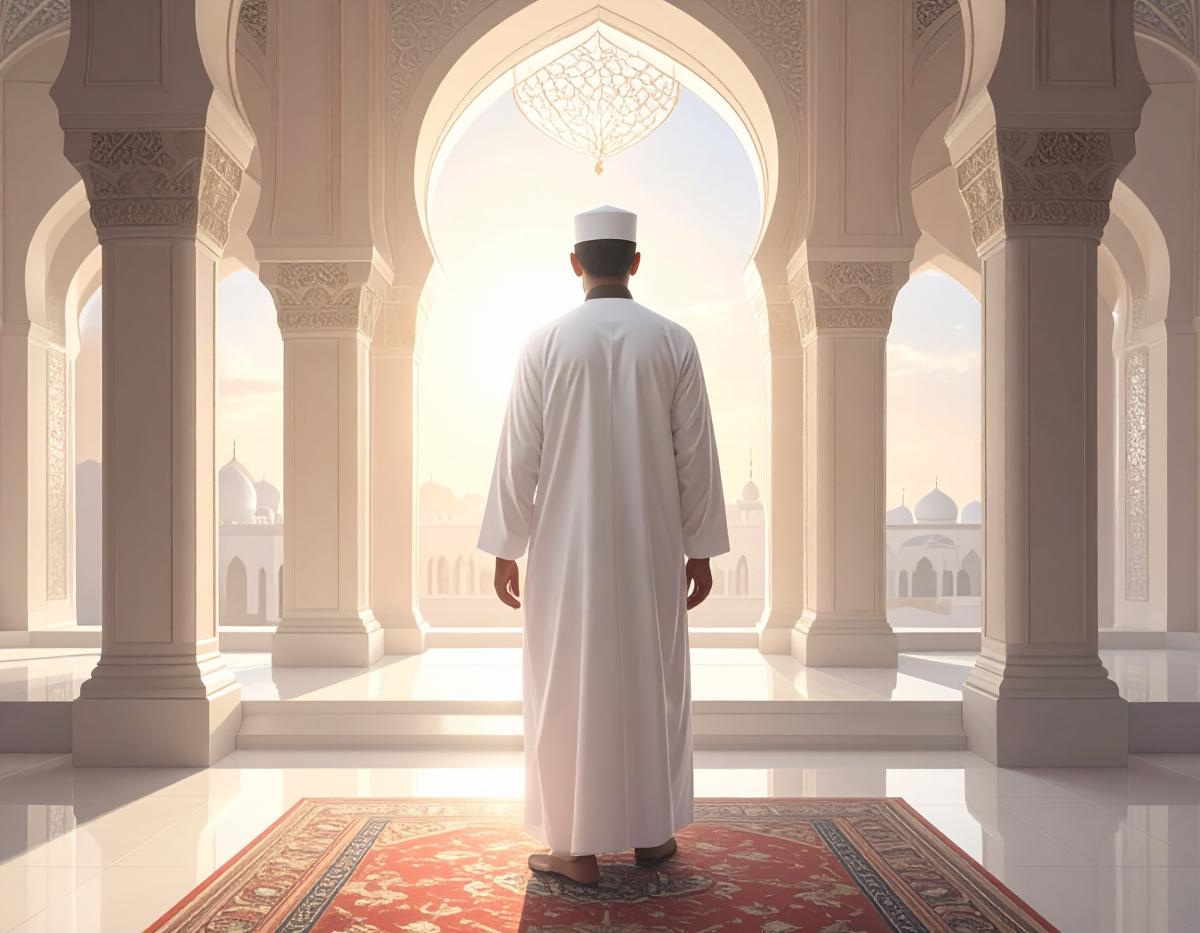
Sunni worship congregates around the mosque, which hosts communal prayers, sermons, and study. The Friday prayer (Jumu‘ah) is particularly important, as it is both a spiritual and social event. Sunni rituals, ranging from daily prayers to life-cycle events, encompass Quranic recitation, charity work, and contemplation of the Prophet’s example.
Sunni Islam Around the World
Sunni Muslims account for 85–90% of all Muslims. They have communities throughout the Middle East, North Africa, South Asia, Southeast Asia, and other regions. Egypt, Turkey, Saudi Arabia, Indonesia, and Pakistan have large Sunni populations. Sunnis are also dynamic minorities in pluralistic countries like Iran and Lebanon.
Sunni Islam intersects with indigenous customs, tongues, and practices to form a vibrant tapestry of faith. Sunni communities have made significant contributions to art, science, literature, and politics.
Sunni Islam and Other Branches
And although Sunnis and Shia muslims do have many fundamental beliefs in common, their diverging perspectives on leadership, religious authority, and historical events have resulted in separate identities. Other sects, such as Ibadi Islam (primarily found in Oman) and other minor ones, exhibit further nuances.
Sunni Islam, with its emphasis on consensus and flexibility, has given rise to a diverse spectrum of cultural customs, jurisprudence, and mysticism. Its scholars have contributed to theology, philosophy, and jurisprudence, debating and interpreting in ways that have enriched Islamic thought.
Contemporary Issues and Sunni Islam
Today, Sunni Islam encounters both possibilities and pitfalls. Globalization, migration, and technological change exposed Sunni communities to new ideas and contexts. Social justice, gender roles, religious reform, and interfaith dialogue – these are all topics commonly discussed and debated in mosques, universities, and the media.
Extremism and sectarian warfare, while headline-grabbing in news reports, comprise a minority of Sunni life. The overwhelming majority of Sunnis lead peaceful lives, focused on family, faith, and community. Sunni Islamic nongovernmental organizations, charities, and educational institutions strive to help promote understanding, tolerance, and service to humanity.
Conclusion
Sunni Islam is a vibrant and complex tradition, rooted in the teachings of the Prophet Muhammad and shaped by centuries of history. Its beliefs, rituals, and institutions have shaped societies from Morocco to Malaysia, providing a spiritual journey for millions. For those who don’t know Islam, knowing Sunni Islam provides a glimpse not just inside the religion, but inside the daily lives, dreams, and desires of its adherents.
Whether it is the muezzin’s call to prayer reverberating through a city, the hands of charity reaching out to the impoverished, or the simple solace of daily worship, Sunni Islam embodies a narrative of faith, perseverance, and the pursuit of meaning.
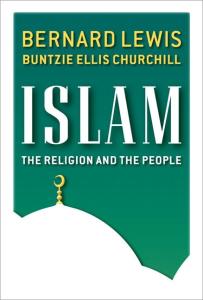
Islam: The Religion and the People
by Bernard Lewis and Buntzie Churchill
Product information
Product Review Score
4.9 out of 5 stars
104 reviews